Week 6 Reflection: Research Insights on Online Learning Design and Inclusion
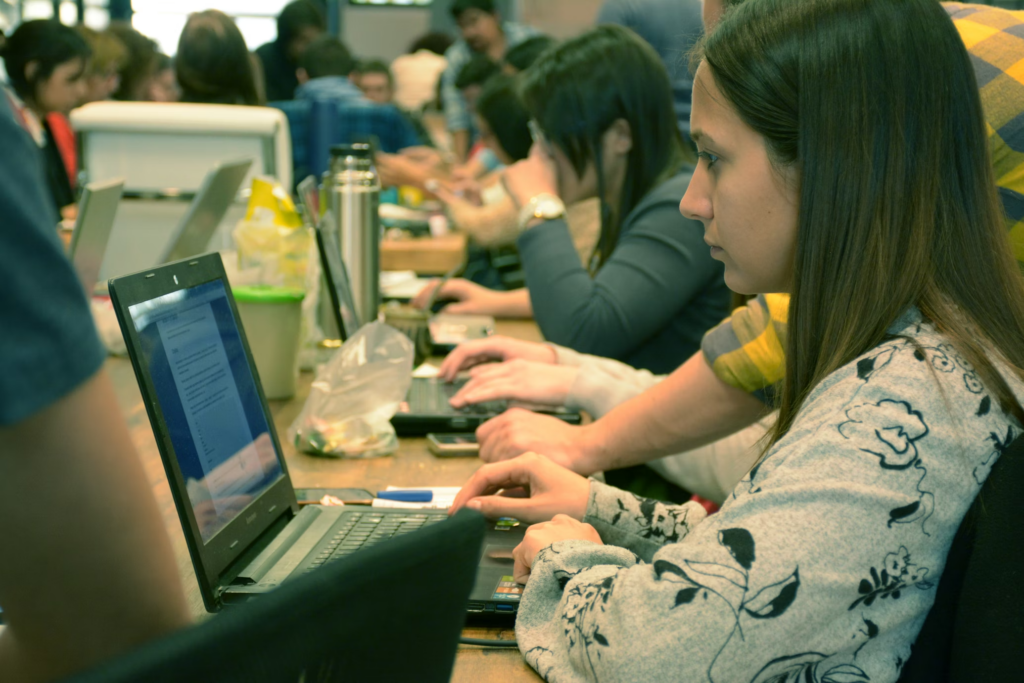
Photo by fran innocenti on Unsplash
This week, I continued exploring how online learning can be designed in ways that support connection, flexibility, and inclusion. After reading more research, I started to see how networked learning and inclusive design actually work together to shape meaningful online learning experiences.
One study showed how learning today is deeply connected to networks of information, technology, and people (Mukhlis et al., 2024). Learning is not something that happens only in someone’s mind; it happens through the links we follow, the tools we use, and the communities we interact with. This made me think about how online courses feel much more effective when they give us space to explore resources, move between ideas, and make our own connections. It reminded me that good design isn’t just about presenting content — it’s about creating pathways that let learners build and extend their own networks.
Another study helped me understand why inclusion has to be built into the design of an online course from the very beginning (Gurjar et al., 2023). The research showed that learners come from different cultural, linguistic, and academic backgrounds, and these differences affect how they experience online environments. When a course uses multiple formats — like text, visuals, audio, and choice-based activities — students feel more supported and more able to participate. This connects well with ideas from Universal Design for Learning, especially the idea of offering multiple ways for learners to engage and express what they know.
Together, these ideas helped me see that online learning isn’t “one-size-fits-all.” Creating a space where people can connect freely is important, but so is designing that space in a way that includes everyone — not just the people who already know how to navigate digital environments. It feels like a balance between giving learners freedom and making sure the structure is accessible to all.
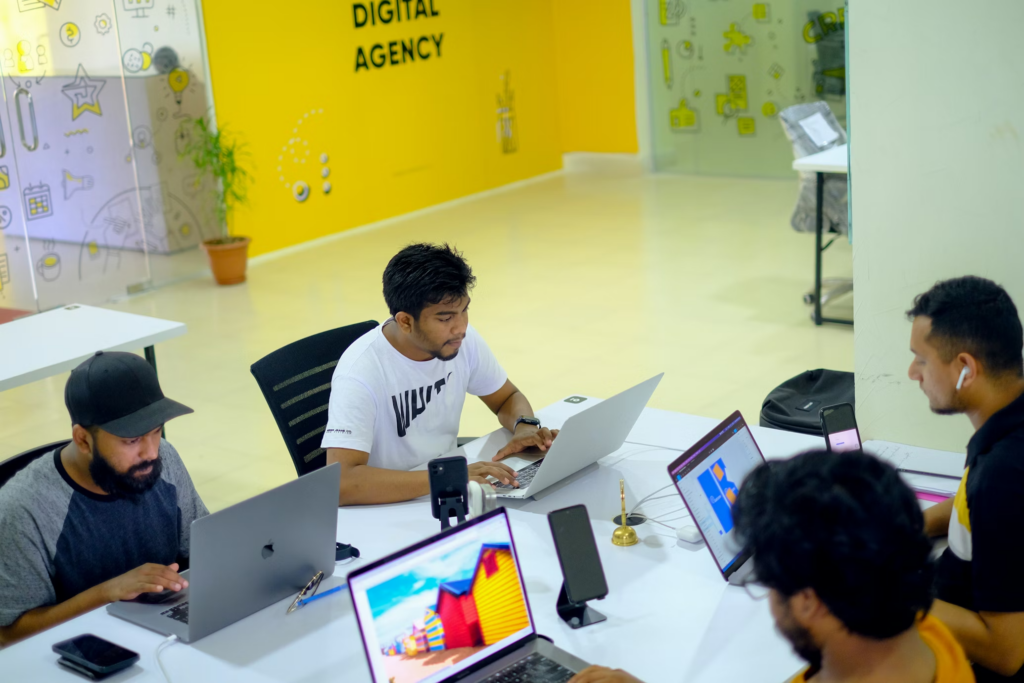
Photo by Ofspace LLC on Unsplash
References
Gurjar, N., & Bai, H. (2023). Assessing culturally inclusive instructional design in online learning. Educational Technology Research and Development, 71(3), 1253–1274. https://doi.org/10.1007/s11423-023-10226-z
Mukhlis, H., Haenilah, E., Sunyono, S., Maulina, D., Nursafitri, L., Nurfaizal, & Noerhasmalina. (2024). Connectivism and digital age education: Insights, challenges, and future directions. Kasetsart Journal of Social Sciences, 45(3), 803–814. https://doi.org/10.34044/j.kjss.2024.45.3.11